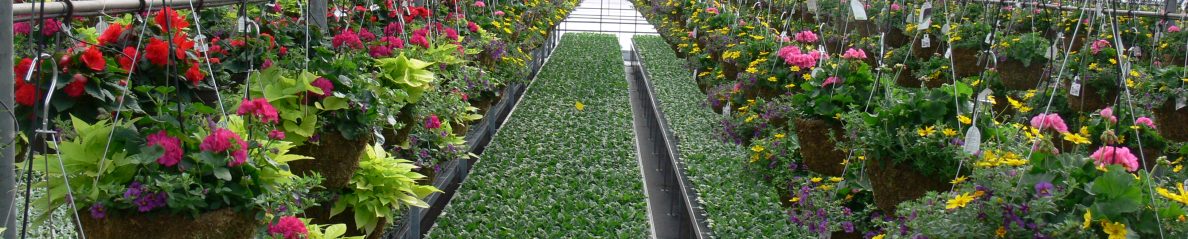
As Ontario sources much of its plant material from Florida, it’s a good idea to exercise caution, even on non-tropical plants. The known host range of this pest is evolving, and thrips have the potential to hitch-hike on less-preferred plant hosts and spread to more preferred hosts in your greenhouse.
Read on for information on the situation in Florida and what you can do to help protect your greenhouse from this pest.
This post was jointly written by Dr. Chevonne Dayboll and Dr. Sarah Jandricic
It’s hard to believe, but as the first snow hits the ground here in Niagara, that means its time to think about spring crops again!
This post gathers some of the most important things to plan and prep for in the greenhouse, including ordering inputs, preventative maintenance, and your pest management and PGR plans!
Think of this post as your “to-do” check list for the month of December, as the time to plan all this is NOW, before your spring production begins.
We’ve also linked to some helpful videos we’ve recorded from our GrowON webinar series that are relevant to spring crops. They’re worth a re-watch – or a first watch – if you haven’t seen them before!
(This post was co-written by S. Jandricic and A. Summerfield.)
Sometimes your thrips biocontrol program is working great. Other times, it seems to get completely overwhelmed. Thrips often get out of control in Summer, when fall crop production is ramping up. But why is this?
Several factors can contribute to rising thrips numbers, but the major reason involves HOW and WHEN thrips like to invade your greenhouse. Read on to learn about this, and what you can do to stay on top of thrips this summer!
This post was co-written by A. Summerfield (Vineland Research and Innovation Centre) and S. Jandricic.
Figure 1. Thrips parvispinus is generally dark coloured (though the head and thorax can be lighter than the abdomen), has bright red ocelli and clear patches at the top of its wings.
Increases in global trade, along with decreased use of harsher broad-spectrum pesticides makes it easier for insect species to move around the world. Because of this, it is becoming more common to find unusual pests coming in on plant material. It’s important that we are prepared and know what to do when something like a new thrips species makes an appearance.
The tropical thrips species Thrips parvispinus has been popping up in various parts of the globe in recent years and was intercepted on plant material in two Ontario greenhouses in 2021/2022. Read on to learn what we know about this species and what you should do if you suspect you have them.
Poinsettias are almost here! Instead of covering the whole crop cycle, this year we’re breaking posts down into 4 key growing periods: Receipt/Propagation, Early Production, Late Production, and Finishing.
This post on propagation will cover things you can do now to treat pests and diseases in your cuttings to prevent BIG problems later. And make sure to check out Dr. Chevonne Dayboll’s post from last week, on ensuring cutting quality.
I’ve hearing a lot lately about Broad Mites (Polyphagotarsonemus latus) in spring crops, especially Reiger begonias and New Guinea impatiens. Other crops that are commonly affected include torenia, exacum, ipomea and gerbera.
Broad mite are often difficult to detect and control. Read on for tips on monitoring and the latest management strategies for this pest.
Dark green and yellow mottling symptom on foliage. Photo by Heidi Lindberg, MSU Extension.
Several diagnostic labs in the Northeast U.S., as well as our own lab here at the University of Guelph, have received diseased calibrachoa suspected to have chili pepper mild mottle virus (CPMMoV). The supplier has alerted growers of this issue.
Although CPMMoV is NOT a regulated disease by CFIA or the USDA, it can still affect the quality of your crop and lead to losses.
Read on for a link to an excellent blog post on the topic written by Michigan State University Extension. This includes symptoms to look out for, the importance of testing, and what to do if you have it.
If you missed our presentation by Dr. Neil Mattson (Cornell University) on November 18th, fear not! There’s a few ways to still watch his presentation!
You can either register for the original webinar here, which will then give you access to the recording on Zoom.
Or, you can check out the recording on our ONFloriculture YouTube Channel! An added bonus? By subscribing to the channel, you’ll always be notified when we post new videos. A direct link to Dr. Mattson’s talk can be foundhere.
As anyone battelling whitefly on poinsettia this season can attest to, good pesticide coverage in ornamental crops can be challenging. Hydraulic sprayers are the industry standard, but does that mean they’re the best option? Where does sprayer technology need to go in the future to get growers better results?
This summer, Dr. Jason Deveau, OMAFRA’s official “Spray Guy”, and myself did a trial at a local greenhouse with some experimental equipment to try and answer these questions. The results were intriguing, to say the least.
For all the details on this trial, check out the link to Jason’s blog post, below.
This post was jointly written by Dr. Chevonne Dayboll and Dr. Sarah Jandricic
It’s time to think about spring again! This post gathers some of the most important things to plan and prep for in the greenhouse before your spring production begins in earnest.
1. Make sure your inputs are ordered
We can’t emphasize this one enough. COVID-19 and container boat issues are still causing shipping delays that are affecting many industries including greenhouses. Make sure you order potting mixes, plastic trays and pots, fertilizers, and production inputs well ahead of when you will need them. If you are planning on doing greenhouse upgrades in between seasons make sure you confirm delivery and installation timelines with your contractors. Many of them are facing delays too!
2. Now is the time for preventative maintenance
Heat loss from an older (left) and newer, more efficient boiler (right). (Photo credit: OMAFRA)
Now is a great time to schedule preventive maintenance for your boiler, irrigation and shading systems. Make sure that all motors and alarms are working before you need to rely on them. No one wants to find out that their temperature alarm failed on a cold February morning! Ensure you are getting the pressure you expect all along your irrigation system. If you rely on propane heaters for early spring production make sure they are venting properly. Damage from improper venting can present as stunted growth or leaf burn.
Take some time to inspect the greenhouse for wear-and-tear. Repair cracked poly and broken glass to keep heat from escaping. Make sure old torn energy curtains are replaced. A heat sensitive camera can help to identify areas of energy loss and help you plan for energy efficient upgrades in the future.