June 19, 2024: Japanese Beetles Have Started to Emerge!

Japanese Beetle (Popillia japonica) adults were caught in traps today in Guelph and spotted in the last day or two near London, ON. Read on for what the start of the adult emergence period means in terms of pest management for outdoor nursery and floriculture crops.

Continue reading “June 19, 2024: Japanese Beetles Have Started to Emerge!” →

“How-to” Video of the Week: Plant Washes and Other Tools to Make Detecting Parvispinus Easier

OMAFA Summer Student Avery Johnson demonstrating plant washes on-farm.

In this week’s “how-to” video, we’ll explore using plant washes on-farm.

Plant washes are a simple but effective method to detect low levels of critical pests, such as Thrips parvispinus.

Once you’ve washed out your pests, we’ve also developed a quick “decision tree” to help you easily determine if you’re dealing with Thrips parvispinus or another thrips pest.

Keep reading to find the link to the video and additional resources.

Continue reading ““How-to” Video of the Week: Plant Washes and Other Tools to Make Detecting Parvispinus Easier” →

How-To Video of the Week: Mass Trapping for Thrips and Other Pests

Are your thrips numbers on the rise?

Thrips often get out of control in summer, when fall crop production is ramping up. But why is this?

Although some thrips enter your greenhouse via plant material (think tropical thrips like Parvispinus), common thrips like western flower thrips and onion thrips mostly enter your greenhouse through vents and doors.

Continue reading to learn when your thrips are likely to spike in your greenhouse, as well as how to effectively use mass trapping to combat thrips and other pests.

Continue reading “How-To Video of the Week: Mass Trapping for Thrips and Other Pests” →

Potted Chrysanthemums 2024: Dips, Thrips and Threats

Every year at this time, growers start to think about strategies to minimizing western flower thrips on their chrysanthemum crops. This year, Thrips parvispinus is causing extra concern, given that chrysanthemum is one of its reported hosts.

Although there have been no reports yet of Parvispinus damaging chrysanthemums in North America, it’s still good to exercise a bit of caution. However, jumping the gun and spraying chemicals will likely just disrupt your biocontrol program for western flower thrips, leaving you with a bigger mess on your hands.

This post contains information on things you can do to put your mind at ease about all sorts of thrips this chrysanthemum season.

Continue reading “Potted Chrysanthemums 2024: Dips, Thrips and Threats” →
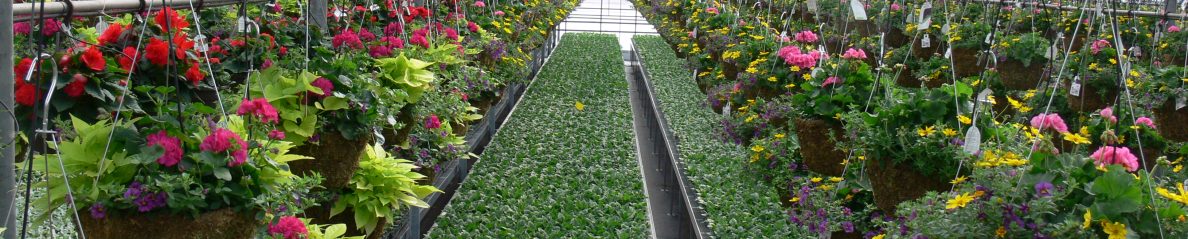
How-to Video of the Week: Greenhouse Sanitation

Now that Victoria Day weekend has come and gone, many floriculture greenhouses find themselves with a rare period of empty compartments or benches before fall crops go in. Similarly, many vegetable greenhouses extending their growing period are facing their first crop clean out. Now is the perfect time to consider a thorough cleaning of your greenhouse to prevent pest issues going forward into the new crop. But this can seem like a daunting task.

OMAFRA and the Vineland Research and Innovation Centre have produced a how-to video on greenhouse clean-out and disinfection that can help you know where to start.

Continue reading “How-to Video of the Week: Greenhouse Sanitation” →

Japanese Beetle Control 2024: Get your Japanese Beetle Treatments on BEFORE May 15!

For those of you planning on shipping ornamental products out of Ontario anytime between May 15 and June 15, this is your reminder to get your curative application of Acelepryn on BEFORE May 15! Recall that no pesticides are allowed when Japanese beetle (JB) pupae are present (generally, May 15-June 15 in Ontario). So, if you haven’t already curatively treated your plants that are about to go out the door (either after Aug 15 in 2023 or before May 15 2024) they may not meet shipping requirements.

For more details, check our our updated infographic for JB control products and timing to know what to apply when. Not sure if you need to treat for JB or not? This post also contains a decision tree and a quick reference table for applicable JB programs when shipping outside Ontario.

Continue reading “Japanese Beetle Control 2024: Get your Japanese Beetle Treatments on BEFORE May 15!” →

“How-to” Video of the Week: Checking the Quality of Predatory Biocontrols

In this week’s “how-to” video, we’ll continue exploring how to assess the quality of the biocontrol agents you receive. This video focuses on predators, such as mites, Aphidoletes, Orius, Dalotia (Atheta) and more.

Keep reading to find the link to the video and addional resources. The next few videos will look at quality control guidelines for other types of biocontrol agents, so make sure to subscribe to the blog if you haven’t already!

Continue reading ““How-to” Video of the Week: Checking the Quality of Predatory Biocontrols” →

“How-to” Video of the Week: Biocontrol Failures – Why Do They Happen?

For the past few weeks we’ve been releasing short videos demonstrating important greenhouse IPM strategies based on current best practices.

In this week’s video, Dr. Rose Buitenhuis from the Vineland Research and Innovation Centre discusses several factors that cause a biocontrol program to fail, and explains the importance of assessing the quality of the biocontrol agents you receive. This is a great video for anyone who’s had ups and downs with their biocontrol program in the past.

Keep reading to find the link to the video and further reading on what can cause a biocontrol program to succeed or fail. The videos for the next several weeks will dive into the details of quality control guidelines for specific natural enemies.

Continue reading ““How-to” Video of the Week: Biocontrol Failures – Why Do They Happen?” →

“How-to” Video of the Week: Monitoring for Pests

Last week we introduced you to the first video in our “how-to” series, designed to demonstrate important greenhouse IPM strategies based on the current information and best practices. This week’s video is about a keystone of IPM: effective monitoring of pests.

With each video being under 10 minutes long, they can be a useful tool in training new staff. They also contain some helpful tricks and tips for more experienced pest management practitioners!

All videos were developed by the Vineland Research and Innovation Centre, in collaboration with the Ontario Ministry of Food and Rural Affairs (OMAFRA), and are applicable to both greenhouse flower and vegetable producers.

Keep reading to find the link to the video and further reading for successful monitoring. And, stay tuned for next week’s video, all about quality assurance testing of natural enemies!

Continue reading ““How-to” Video of the Week: Monitoring for Pests” →

“How-to” Video of the Week: Releasing Biocontrol Agents Successfully

The Vineland Research and Innovation Centre, in collaboration with the Ontario Ministry of Food and Rural Affairs (OMAFRA), has produced a number of videos demonstrating important greenhouse IPM practices.

These videos are based on current information and best practices, and are in an easy-to-follow format. Better yet, they are all under 10 minutes long!

Each week, we’ll be releasing a new video. All videos in the series are applicable to both greenhouse floriculture and vegetable pest management.

Keep reading to find the link to the video and further reading for successful IPM!

Continue reading ““How-to” Video of the Week: Releasing Biocontrol Agents Successfully” →