Although native bees and honeybees may just be starting to gather strength and are beginning to fly outside, other “B’s” have been of growing concern in the greenhouse for some time now.
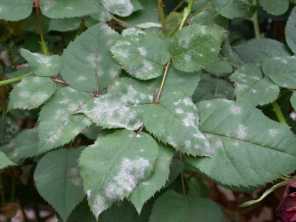
These include common spring bedding crop problems like Botrytis cinera (aka grey mold), Broad mites, and leaf burn (from a variety of causes).
Keep reading for tips on how to manage these issues during this time of year.
With the intense period of rain we just had, and with MORE rain coming on Friday, it’s time to think about Botrytis control and prevention. One of the most common and destructive diseases of greenhouse crops, outbreaks usually follow periods of cool, damp, cloudy weather. Unfortunately, I can’t order up more sun for you, but I CAN suggest some management tactics.
Spring is on its way, and with cold nights and warmer days we are seeing a common spring problem – poor air quality damage on spring bedding crops. Symptoms, solutions and preventative measures are included in this 2017 update to a previous post.
Natural gas and propane are popular choices when it comes to heating a greenhouse. The products of burning fuel are carbon dioxide (CO2) and water (H20); both compounds we know are good for your plants. However, combustion is often (if not always) incomplete, and impurities such as carbon monoxide (CO), sulfur dioxide (SO2) and ethylene (C2H4) are also released leading to poor air quality if your heater is not properly vented.
Typically symptoms from ethylene damage and sulfur dioxide damage can been seen fairly quickly after exposure.
Figure 1. Signs of ethylene damage include leaf curling and epinasty, seen here in A) New Guinea Impatiens and B) lettuce seedlings.
Starting to feel a bit bummed out by all this gloomy weather? Imagine how your poor plants feel! All clouds and no sun leads to lots of fun with production schedules, nutrition and proper plant development. Continue reading “Stalling out: Strategies for success”→
NOTE: This is a re-post because it now comes with an awesome new video of how to monitor you mite sachets!
Recently, I had an interaction with a grower where their long-standing biocontrol program for thrips suddenly seemed to be failing. After a (too long) investigation by myself, the grower, and several consultants, we found out the horrible truth: their predatory mite were being MURDERED (Duh dun DUHNNN!)… By improper storage.
This post focuses on whether YOU might also be guilty of mite murder. (And yes, I’ve stooped to the level of click-bait titles).
Oedema or edema, also known as intumescence. This physiological disorder usually appears during periods of low light – from now through the fall, winter and into the spring. If you’ve noticed salt-like crystals, odd tumour-like growths or water-soaked spots on either side of your plant leaves this disorder could be the culprit (Figure 1). The disorder affects a wide variety of tropical plants and succulents. It can also affect greenhouse crops such as lilies, cyclamen, sweet potato vine, geranium, begonia, petunia, calibrachoa, ornamental peppers and other Solanaceae family plants. Continue reading “Low Light and High Humidity: Identifying Oedema”→
Happy first day of fall! It was a dry, sweltering summer across Ontario, and I’ve heard from some growers that it was the most challenging summer they could recall in recent memory based on the heat alone. Oppressive heat and humidity pack a punch that leaves everyone feeling sluggish – you, your staff and your plants. While we won’t complain too loudly (winter’s coming!), learning from this year’s challenges will help in summers to come as we experience more extreme weather.Continue reading “Summer School: Lessons learned from another hot, humid Ontario summer”→
Ensure your cuttings stay cool in the heat, so they grow into “cool” mature poinsettias!
Environment Canada has placed most of Southern Ontario under a Heat Alert for the next few days. It’s the time of year for sticking poinsettia cuttings, and cuttings of any floral crop are susceptible to extreme temperatures. Plants are just like people, crank up the heat and they put all their energy into just surviving the conditions, not forcing roots. Stressful conditions at rooting can lead to poor plant quality and cause defects that will be seen later in production like poor branching and leaf deformities.Continue reading “Keep those cuttings cool!”→
Happy spring! With the season in full swing, we know that growers are busy this month. I read an interesting article on the effects of supplemental LED lighting in bedding plants this week, and I’ve summarized it here with the key messages at the bottom of this post. It seems like an appropriate article for the season, especially if you are starting to think ahead to how you might improve production for the 2017 spring season.
Much of the LED lighting research done in ornamental plants has focused on finding the best wavelengths for plant production. This can vary based on the plant being grown, and the qualities desired. Before we dive into the study, let’s review some of the reasons why you might consider LED lights from a plant production standpoint. Continue reading “Supplemental Lighting Options for Bedding Plant Seedling Production”→
 Although native bees and honeybees may just be starting to gather strength and are beginning to fly outside, other “B’s” have been of growing concern in the greenhouse for some time now.