It will soon be that time of year again, when Japanese beetle adults begin to fly. However, the cooler spring means pupation may take longer. So what does that mean for timing of control products?
This post answers those questions and provides updated infographics for JB control for those exporting to non-JB areas.
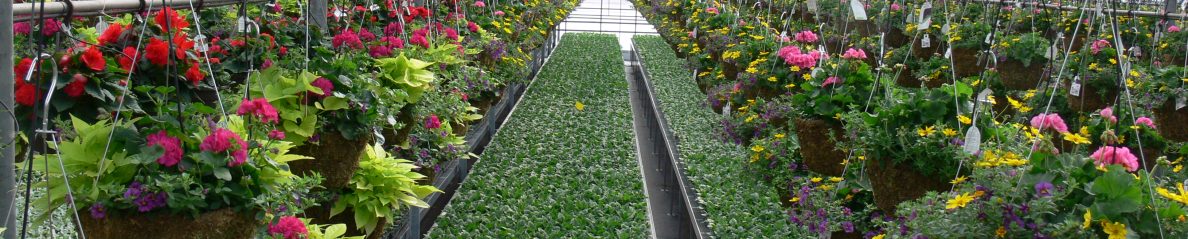
With the holiday season over, it’s time to turn our attention to Spring bedding crops. Although here for a brief window, the diversity of these crops means you’re bound to encounter some sort of disease and insect problems.
One way you can head off issues is to plan and prepare now. This post has important tips on sanitation for common spring crop diseases, dipsandearly sprays to prevent key pests, as well as tips on where to spend your biocontrol dollars.
Tomatoes infected with the Rugose virus. Photo courtesy of HortiDaily.
By now, you may of heard of the Tomato Brown Rugose Fruit Virus (ToBRFV), referred to more simply as “Rugose”. It is a viral disease that predominately impacts tomato plants, but also peppers, leaving fruit damaged and unmarketable.
It wasfirst detected in Israel in 2014 but has now been found in parts of North America.
If you are a Canadian ornamental grower that ALSO grows tomato liners as part of your spring crop selection, or if you grow ORNAMENTAL PEPPERS, here is what you need to know regarding Rugose symptoms, prevention and more importantly, regulations.
Bemisia whitefly (Bemisia tabaca) adults on poinsettia. In high pressure years, poinsettia plants can quickly become unsellable due to this pest.
The floriculture industry in Ontario seems to have mostly avoided heavy aphid AND thrips pressure this spring/summer. But from everything I’ve been hearing, we are NOT going to be that lucky with whitefly on poinsettia this year.
This post goes over preventative measures that should be taken as soon as cuttings come in the door, biocontrol programs for whitefly on poinsettia, and WHEN and WHAT to spray for this so you can avoid resistance issues.
Do you have a strategy to help mitigate pests coming into your facility, like dipping cuttings upon receipt?
The CFIA has recently released the Floriculture Sector Biosecurity Guide. Despite it’s imposing name, this is an excellent “road map” to help protect your facility from unwanted pests. The Guide offers biosecurity strategies from the time plants come in the front door ’till they’re out in the compost bin.
Don’t have a facility-wide Pest Management Program in place? This guide can provide the framework. (Why start from scratch?). Already have a strategy to mitigate risks from pests at your farm? Compare YOUR plan with the Floriculture Guide to see if you’ve overlooked anything.
 It will soon be that time of year again, when Japanese beetle adults begin to fly. However, the cooler spring means pupation may take longer. So what does that mean for timing of control products?
 With the holiday season over, it’s time to turn our attention to Spring bedding crops. Although here for a brief window, the diversity of these crops means you’re bound to encounter some sort of disease and insect problems.


